
Little Known Facts: What You Didn't Know About DEATH OF A SALESMAN Playwright Arthur Miller
The new Broadway revival of Miller's Death of a Salesman is now playing at the Winter Garden Theatre.
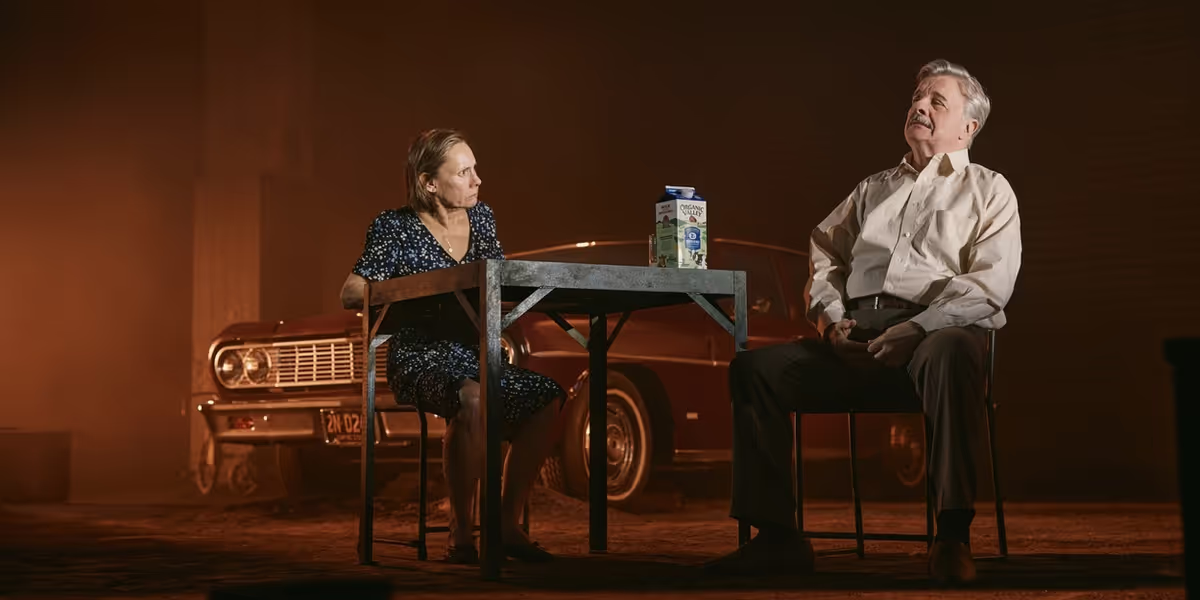
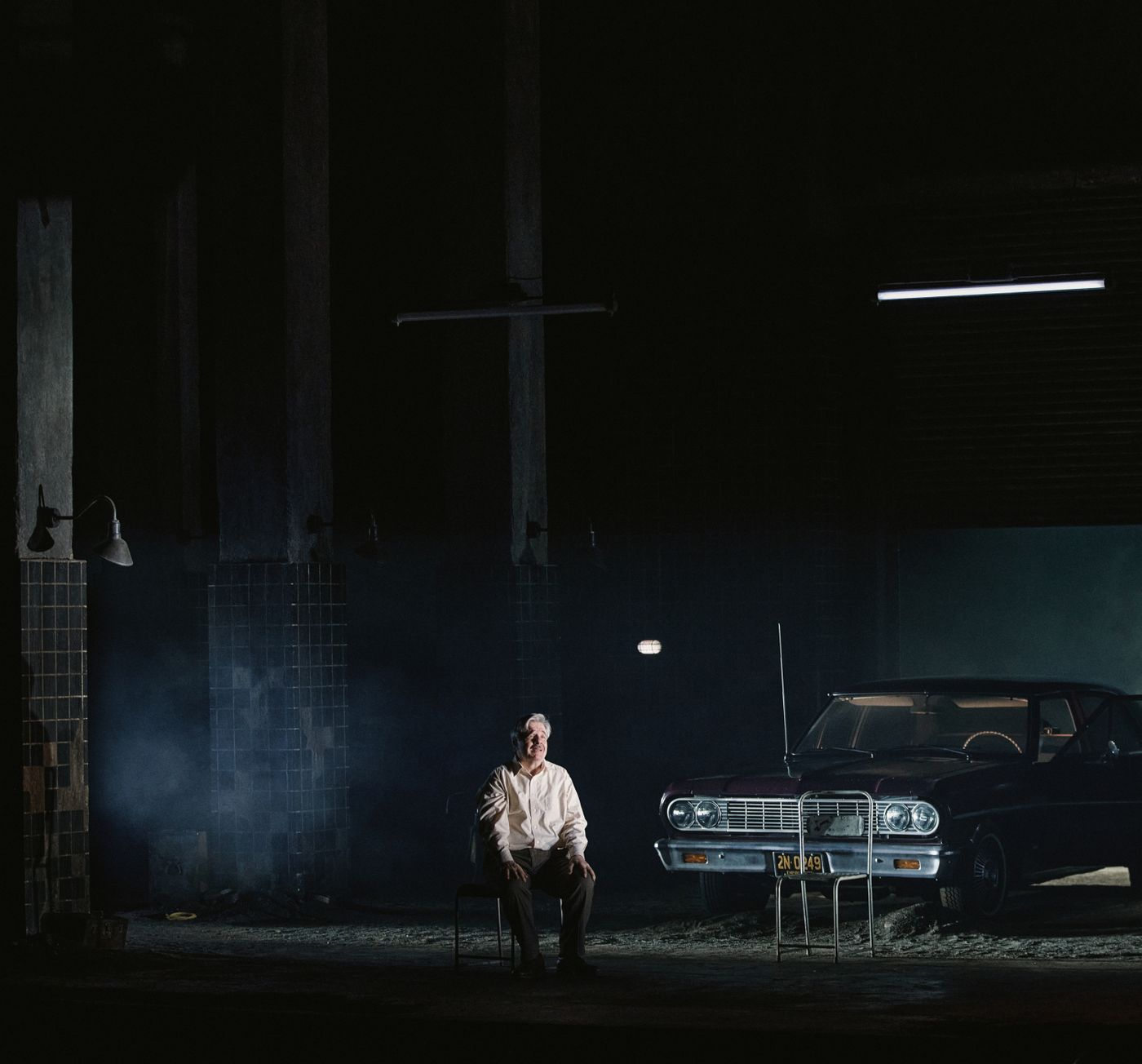
Arthur Miller's towering drama Death of a Salesman returns to Broadway this season in a new production from director Joe Mantello. Starring Nathan Lane and Laurie Metcalf at the Winter Garden Theatre, the revival brings renewed attention to Miller’s ever-relevant portrait of the American Dream.
First staged in 1949, Salesman broke from traditional realism, collapsing past and present into the restless inner life of Willy Loman. The play grew out of Miller’s own experiences, his family’s financial collapse during the Great Depression, his early exposure to the grind of the capitalist machine, and his evolving interest in how ambition and identity collide.
The result is a work that remains evergreen in its exposure of our national values and the weight economic and cultural uncertainty.
Though his works and personal life are well-documented, below check ten lesser-known facts about the playwright that offer deeper insight into the man behind this American masterwork, playwright Arthur Miller.
He Didn’t Originally Study Theater

Miller began his studies in journalism at the University of Michigan. It was there that he shifted toward playwriting, eventually winning the Avery Hopwood Award, a prestigious prize that helped launch his career. Though theater was not his earliest calling, a version of Willy Loman did make its way into his teenage writings. Years before Salesman, Miller wrote about a struggling salesman character based on a real man who later died by suicide.
The Great Depression Shaped His Writing
Miller’s family lost its wealth during the Great Depression, a formative experience that influenced his later explorations of working class tragedy, economic instability and personal failure. Before becoming a major playwright, Miller also supported himself through a series of manual labor jobs, including warehouse work and delivery positions, as well as a stint at the Brooklyn Navy Yard inspecting ship engines during World War II.
Even after achieving international recognition, Miller remained deeply connected to his Brooklyn upbringing. He frequently cited it as central to his understanding of American identity and aspiration.
He Was Personally Targeted During the Red Scare
Miller’s engagement with political persecution was not abstract. In 1956, he was called before the House Un-American Activities Committee and refused to name others accused of communist ties. His refusal led to a conviction for contempt of Congress, which was later overturned on appeal. Although Elia Kazan directed the original Salesman, his later cooperation with the House Un-American Activities Committee created a lasting rift with Miller, who had refused to do so.
Willy Loman’s Name Was Inspired by a Film, Not a Social Label
Although often interpreted as suggesting “low man,” Arthur Miller drew the name “Loman” from a moment in The Testament of Dr. Mabuse. In the film, a disgraced detective named Lohmann is driven to madness, repeatedly calling for help that never materializes. Miller later said the name evoked “a terrified man calling into the void for help that will never come,” a meaning that aligns closely with Willy’s emotional trajectory in Death of a Salesman.
The character of Willy was shaped in part by Miller’s uncle, a salesman who was intensely competitive, prone to exaggeration, and ultimately died by suicide. Miller described him as “constantly being stepped on by those climbing past him.”
Death of a Salesman Was Revolutionary for American Theater
The play's blending of memory and reality was considered formally innovative at the time of its 1949 premiere. Miller described the structure of the play as a “mobile concurrency,” meaning past and present exist simultaneously onstage rather than in sequence. Miller described the play’s form as something he had been “searching for since the beginning of my writing life.” Rather than traditional flashbacks, the play moves forward through Willy’s consciousness.
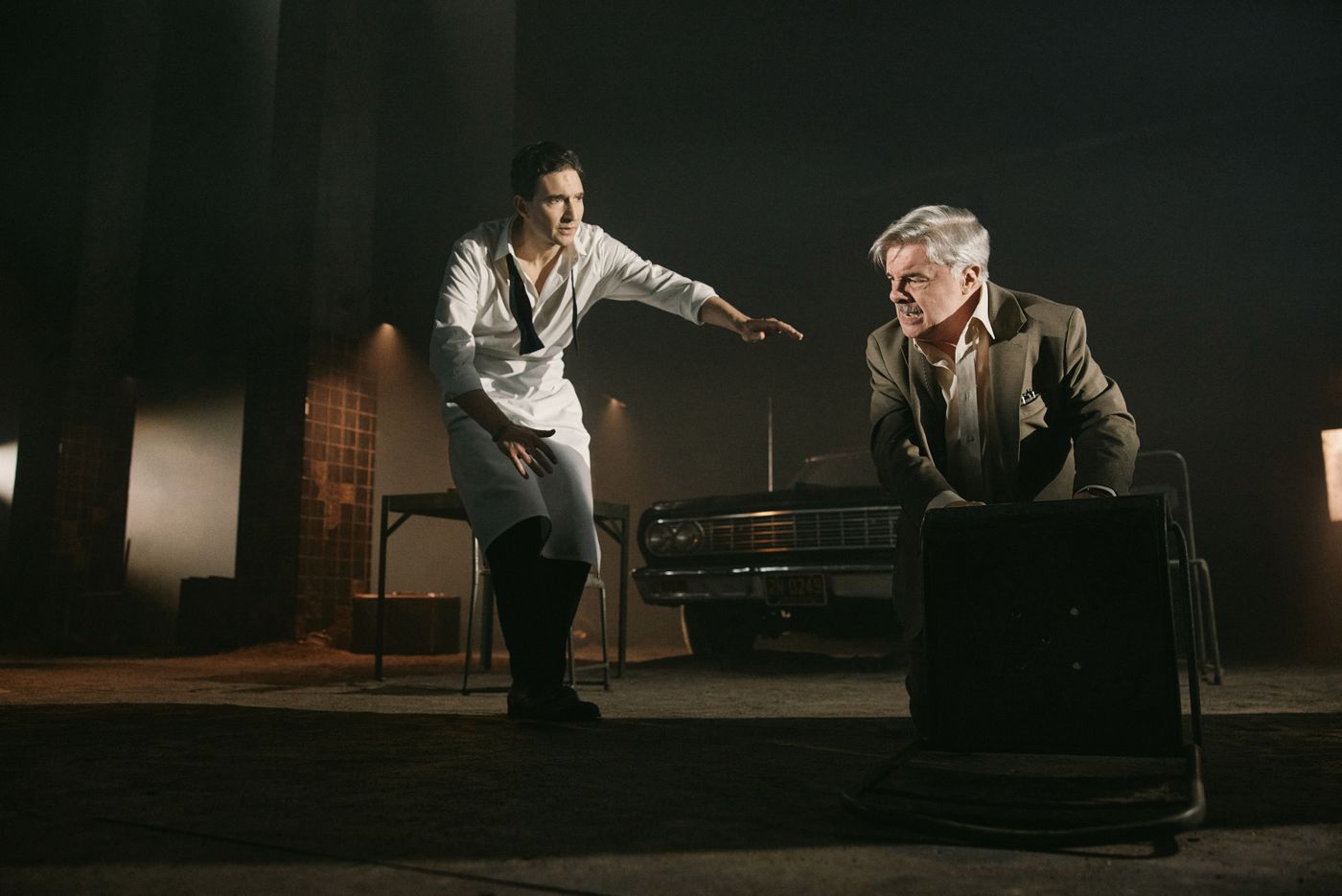
At its earliest performances during its out-of-town tryout in Philadelphia, the play ended in near silence, with audience members reportedly sitting for several minutes, some in tears, before applause began.
Death of a Salesman Was Written in a Remarkably Short Time
Arthur Miller wrote the first act of Death of a Salesman in a single, continuous burst of work, completing it in one day while alone in a cabin in Roxbury, Connecticut. Miller completed the second act and the full structure of the play in approximately six weeks. He later described the process as if he were “a stenographer,” hearing the characters’ voices as they unfolded.



|
Tickets From $77
|
Powered by

|
Videos