  Broadway Vet Manny Azenberg on the State of Broadway by Cara Joy David - Legendary Broadway producer Manny Azenberg, 92, talks ticket prices, the loss of playwrights to screens, the rise of investor 'producers,' and whether theater can reclaim its cultural footing. These Producers Want to Make Investing in Theater like Investing in a Startup – Will it Work? by Cara Joy David - It’s no secret that investing in shows is riskier than ever. Many longtime investors are turning away from the industry. So when a release promising a new, more profitable investment model arrives, it warrants investigation. As Female Playwrights Lose Ground, Female Critics Are Making History by Cara Joy David - The biggest change from prior years is at The New York Times, where Helen Shaw became the first female chief theater critic at the paper of record earlier this year. Previously, The Times has had plenty of female second-string critics, but the top seat was always held by a man. How 54 Below is Confronting Financial Challenges; Richard Frankel Discusses the Future by Cara Joy David - In December, word started spreading that the venue we know as 54 Below was hitting the rental market. Various area businesses were contacted by those who were marketing the property for occupancy in the first quarter of 2027. Can Reviews Wait? How Broadway Opening Nights May Be Changing by Cara Joy David - Critics used to come to opening nights and rush back and write their reviews to try to get them in the early editions of next day’s newspaper. Eventually, preview periods became longer, but we still held onto the opening night critic tradition for a while. Why Community Connection Matters More Than Ever for Regional Theater by Cara Joy David - A nationwide look at regional theater marketing and community engagement, with lessons from Knoxville, Durham, Fayetteville, Nashville, Atlanta, and Branson on building awareness, loyalty, and support. Update on the Broadway Tax Credit - Deadline Shifts and How Non-Profits are Qualifying by Cara Joy David - There has been a lot of press about the NYC Musical and Theatrical Production Tax Credit, but so much remains unclear. I continue to get regular questions about it, months after any major news hit. I can report now that Empire State Development (ESD), which administers the credit, is taking applications from shows with a first paid performance on or prior to December 1, well over a month after the previously reported deadline. This article will also cover a frequently asked question regarding nonprofit eligibility for the tax credit. Exclusive: Inside the Numbers - Who Benefited and Why Broadway Still Needs a Tax Credit by Cara Joy David - It is bad for the state if Broadway falters. Broadway will falter if investment dries up. It is as simple as that. (I’m not sure how the “backfill” idea is in keeping with the idea that the credit is designed to stimulate investment, as that investment will have already occurred, but I also see the argument that folks who decided to invest in shows opening later in the fall were expecting the credit, and they may not invest in the future if they feel they were shafted this go round.) Where Are the Women? New Theater Season Announcements Signal a Troubling Setback by Cara Joy David - I’ve been writing about the lack of female representation in creative teams for at least 15 years. When I wrote a series on female playwrights a couple of years back, there was a sense that things were getting better. Indeed, when Julia Jordan handed off leadership of the Lillys in December 2023, she proudly reported that gender parity had been reached on off-Broadway stages dedicated to new plays. There was even talk of sunsetting the organization, which has been a driving force in the fight for gender parity.  The NEA Grant Terminations and What it Means for the Future of American Theatre by Cara Joy David - Theater makers have a “show must go on” spirit. So it is no surprise that the vast majority of the over forty artistic leaders I spoke to in the last two weeks believed they would find a way to survive even without promised National Endowment for the Arts funding. But it won’t be easy. 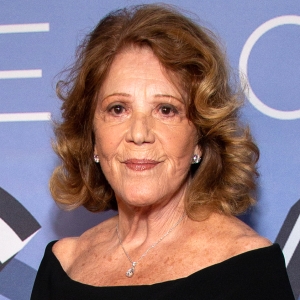 Paying Tribute to Linda Lavin by Cara Joy David - I was raised on television. So, it is no surprise that my first exposure to Linda Lavin was Alice, the reruns of which ran on a local New York channel when I was little. But when I grew older, I realized that as good as Lavin was on television, she was really a creature of the stage. I have trouble believing Broadway has not yet dimmed the lights for this Tony-winning Theater Hall of Fame member.  When Is a Performance Not One? The ALL IN Debate by Cara Joy David - Buyers of tickets to live performances sometimes feel like they should get their money back, but it’s usually when a star drops out, after seeing a show, or at least after the reviews come out. All In: Comedy About Love instead had several people requesting refunds when they simply heard more about it. Why Broadway Shows Have 9 Performance Holiday Weeks by Cara Joy David - It’s a season of merriment and tourism, when Broadway producers hope to make enough extra money to compensate for the dark days of winter ahead. But just how much extra are Broadway stars working? Why Off-Off-Broadway's wild project Launched a Do-or-Die Capital Campaign by Cara Joy David - When the wild project launched its do-or-die capital campaign a couple of weeks back, an industry reeling from several hits to the off-off-Broadway community braced for another one. However, even though the downtown arts community had suffered several losses, the news that the non-profit needed to raise $1 million in only three months caught many by surprise.  Hope for Off-Off-Broadway: How The Tank Is Defying the Odds by Cara Joy David - Rumors of the death of off-off-Broadway have been greatly exaggerated. In fact, the Alliance of Resident Theatres/New York (the organizing entity, such that there is one, of off-off-Broadway companies) will tell you it has more members than it did twenty years ago. However, there is no doubt that things feel dire.  Actor Sues 1776 Tour Producers for Racial Discrimination and Retaliation by Cara Joy David - Over the years, I’ve heard several black actors complain about how their preferred hair plan was dismissed by producers. Now one is suing producer NETworks Presentations, 1776 Touring, and several of their employees, claiming that increasing tensions led to her being terminated after she expressed a desire to submit a written racism complaint. 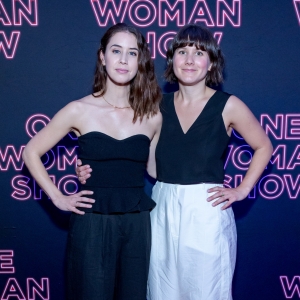 Powerhouse Women United to Bring ONE WOMAN SHOW to New York by Cara Joy David - Liz Kingsman’s One Woman Show arrived at off-Broadway’s Greenwich House Theater with what The New York Times’ Jason Zinoman called “enough buzz for an apiary.” The Olivier Award-nominated comedy had over twenty five-star reviews from overseas and the type of coverage that one only associates with the next big thing. But what is equally as remarkable is all of the lead producers have teams led by women, which is still a rarity even in 2023.  Former HADESTOWN Cast Member Kim Moore Sues Alleging Racial Discrimination by Cara Joy David - Kim Moore, who appeared in Hadestown under the name Kim Steele, has sued the Hadestown producing entity alleging several counts of race discrimination and retaliation under New York State, New York City and federal law. Essentially, the suit alleges that Moore was a respected employee, but was fired soon after complaining about racial discrimination.  Interview: Veteran PHANTOM Cast Member Carrington Vilmont on the Final Chandelier Fall by Cara Joy David - In January 2001, Carrington Vilmont made his Broadway debut in The Phantom of the Opera. He has spent the majority of the years since in the company, appearing in the final company as the Auctioneer. As of last night, he had played 6066 performances in the musical. Today he woke up without it.  Judge Dismisses Garth Drabinsky 'Do Not Work List' Lawsuit by Cara Joy David - Remember Garth Drabinsky’s case against Actors’ Equity Association? It is now no more. Equity has won its motion to dismiss the complaint filed by Drabinsky.  City Council Passes Ticket Transparency Bill; Broadway League Opposed by Cara Joy David - This week, the New York City Council passed a new ticket transparency bill. The law was not opposed by any of the major ticket services--Ticketmaster, SeatGeek, etc.--but it was opposed by one major player in the city: The Broadway League. Just why the League was so opposed to the bill gets a little confusing.  Court Rules on Jujamcyn Theaters' Fight for Covid-Related Insurance Coverage by Cara Joy David - Jujamcyn Theaters’ fight for Covid-related insurance coverage has suffered a mighty blow. A Court in the Southern District of New York, which is a federal court, decided against Jujamcyn in its lawsuit against Federal Insurance Company and trimmed Jujamcyn’s case against another insurer, Pacific Indemnity Company. 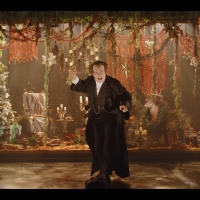 How Jefferson Mays and the Design Team of A CHRISTMAS CAROL Are Making Holiday Magic by Cara Joy David - Broadway’s one-man A CHRISTMAS CAROL starring Jefferson Mays definitely managed magic. It is a rare show that leads even Broadway regulars to leave the theater going: “How did they do that?” BEAUTY AND THE BEAST, HARRY POTTER AND THE CURSED CHILD and some others have managed, but not many. This show did. 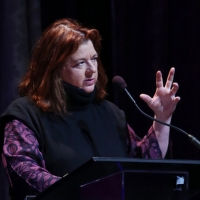 How Female Playwrights Are Making the Industry Better by Cara Joy David - Other than a handful of playwrights 30 and under, all the playwrights spoken to for this piece believe their sex has impacted their careers in the theater. Women feel that they have trouble getting in the room and being taken seriously once there. But there is something more, a sense that when things get really bad -- beyond mansplaining bad -- there aren't many people to turn to in the theater.  Where Are All of the Female Theatre Critics? by Cara Joy David - In this, the second installment in our series on women playwrights, the playwrights speak about critical interpretation of their work and the lack of powerful female critics. Please read Part I here, which discusses the more general issues female playwrights face. |
Videos